

 Harry Pittock
Our roadmap for moving beyond baiting towards permanent, humane rodent management for Mornington Peninsula homes and businesses.
For as long as pest control has existed as an industry, rodent management has meant one thing above all else: bait. It's fast, it's effective, and it's cheap to deploy at scale — which is exactly why it became the default. But effective and humane are not the same thing, and at Penpest we think it's time the industry started treating that difference seriously.
This post is about where we're starting from, what's changing right now, and where we want to be in five years.
Rodenticide baits, particularly second-generation anticoagulant rodenticides (SGARs), are fast and effective, but they come with real welfare and environmental costs, including a well-documented risk of secondary poisoning in owls, raptors, and pets that eat affected rodents. Regulatory bodies have taken notice: recent changes to SGAR use now require a mandatory 30-day follow-up visit, an acknowledgement that these products carry risks that need monitoring, not just a “set and forget” application.
Trapping is often held up as the more humane alternative, but that label deserves scrutiny too. Many traps on the market, including some snap traps and most glue boards, still cause significant and prolonged suffering. “More humane than poison” is a low bar. We don't think it's the right bar.
And then there's the world of “non-toxic” deterrents — ultrasonic devices, repellent sprays, granules. Some of these are genuinely useful. Others are dubious in effectiveness, and a few raise real questions about what “non-toxic” actually means when you look at the ingredient list. We're not interested in swapping one set of unexamined claims for another.
So our actual goal isn't just “more humane.” It's non-lethal: keeping rodents out and dealing with existing populations without killing them, full stop.
The most genuinely humane form of rodent control isn't a better trap or a better bait. It's not having rodents in the building in the first place. That means proofing entry points, removing the conditions that attract rodents (food access, harbourage, moisture), and using deterrents where genuine gaps remain.
The trouble is that doing this properly in Australian homes is harder than the marketing for off-the-shelf proofing products suggests. Australian housing stock has its own quirks — weatherboard construction, particular roof and eave designs, under-floor access points, and renovation patterns that create gaps products designed overseas were never built to handle. A lot of the proofing products on the market are reasonable in concept but poorly suited to how our buildings are actually put together. This is the gap we want to fill.
This isn't a five-year plan that begins on day one of year one. We've already taken the first steps:
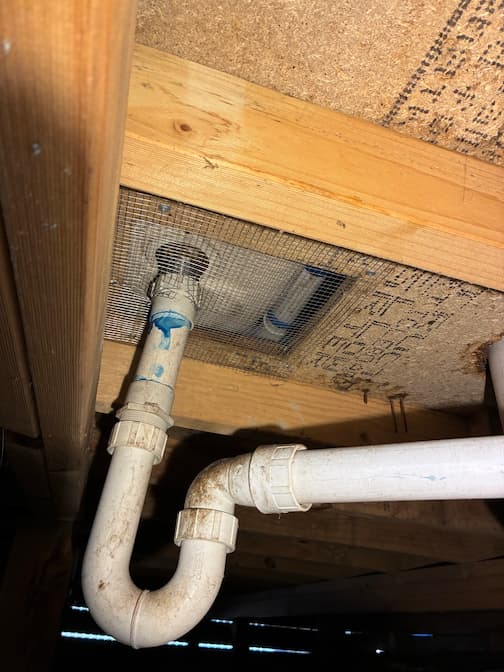
This is also our second step into more ethical pest control generally — it follows on from the work we've already done building out our ethical bee removal service, which relocates rather than exterminates colonies wherever possible. Rodent control is the next, harder problem in that same direction.
Here's the part we think is worth being upfront about: a fixed portion of the profits we earn from traditional rodent control work will go directly into funding this product development and capability building.
We're aware of how that might look on the surface — using money from baiting to fund the alternative to baiting. But we think the pest control industry, for all its reliance on lethal methods historically, is also the industry with the closest relationships to the customers who need this work done, the field experience to know what actually fails in real buildings, and the practical knowledge to build something better. We'd rather use that position to drive the change than wait for someone outside the industry to do it for us.
If you're a Penpest customer dealing with rodents today, none of this changes the support you'll get right now — we're still going to solve your immediate problem properly. What it does mean is that, over time, the options on the table for doing that will keep shifting away from poison and toward prevention, deterrence, and non-lethal control, backed by methods actually suited to your home or business.
We'll be sharing progress on this as it happens, not just at the five-year mark. If you're curious about where things stand or have a property with rodent issues that's proving tricky to proof, get in touch — we're always interested in the harder cases.
Browse more of our helpful pest management information.
Harry Pittock
 Harry Pittock
 Harry Pittock
Sign up for our newsletter.